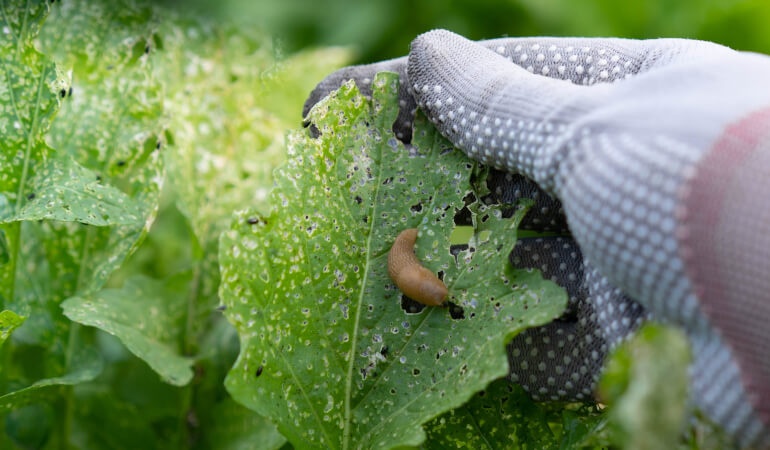
If you’ve found your plants in good health one day and half-eaten the next, then it’s likely slugs. The slimy critters chew through young shoots and tender leaves like it’s nothing. Commercial products work, but for the long term, you need something else. You need slug-resistant plants.
So, if you’re tired of finding your prized plants munched on by pesky slugs, then we have the answer. This post looks at what plants slugs in the UK hate and how they help you keep a healthy garden in a more natural way. You will read about a few solid options, so you can make the most well-informed decision possible.
But first…
Table of Contents
What do you need to know about slugs?
Slugs devour plants that feel soft, moist, and full of nutrients. If a plant holds water in its leaves or stems, it becomes the main dish, fast.
Slugs cause the most trouble in the UK after a spell of rain. After the rain, the ground stays soft and wet, and slugs rush out in big numbers. A rainy day followed by a mild evening gives them perfect feeding weather. Moist soil gives them cover, and the cool, damp air helps them move far and eat for longer. By the next morning, you often see fresh damage on young plants.
They thrive in British gardens for a few simple reasons. The climate stays damp for much of the year, so the soil holds water for long spells. Many gardens sit on clay soil, and clay grips moisture like a sponge. Shade from fences, sheds, and dense borders keeps the ground cool, so the soil dries very slowly.
All of this gives slugs a safe, comfy world with food, shelter, and no rush to hide. It’s no surprise they spread so fast here.
What plants do slugs dislike?
Since slugs look for soft, moist growth, they dislike any plant which is the opposite. Imagine a plant with tough, leathery, or fuzzy leaves. That would be very repulsive to a slug.
Some plants also give off strong scents or contain bitter compounds that these pests dislike. At the same time, certain scents attract birds, beetles, or frogs, which hunt the slugs and keep their numbers down. Nature knows how to be ironic, doesn’t it?
Now, let’s learn what plants are slug proof.
Slug-resistant perennials

Slug-resistant perennials come back year after year and also fill borders with colour and structure.
- Geranium (Cranesbill) has slightly fuzzy leaves, which slugs avoid. This perennial likes sun or part shade and copes with many soil types. It needs light pruning after the first flush of flowers and not much else.
- Bergenia (Elephant’s ears). Thick, leathery leaves make these plants hard for slugs to chew. They thrive in shade and damp soil, which suits many British plots. All you need to do is carry out a tidy-up every spring.
- Heuchera has leaves which taste bitter, and slugs hate it. Heucheras like well-drained soil and part shade. They need simple care, like a top-up of mulch in spring.
- Lavender emits a strong scent that drives slugs off. It suits dry, sunny borders and poor soil. A trim after flowering keeps the plant compact.
Slug-resistant annual plants
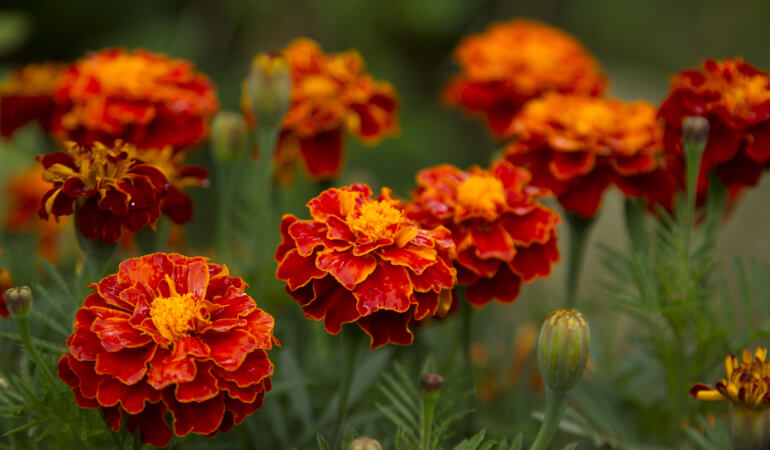
These choices work as top slug-resistant annual plants for beds, pots, and gaps in borders.
- Marigold (Tagetes) remain the top pick for many UK gardeners, as the smell alone keeps slugs off. They need sun and regular deadheading for fresh blooms. Soil can be light or poor.
- Snapdragon (Antirrhinum) The firm stems and thick petals put slugs off. They like sun, good drainage, and a steady water supply. They fit well in pots, too, interestingly.
- Cosmos. Fine leaves and a strong, herbal scent make slugs skip them. They prefer sun and loose soil and flower for ages with light care.
Slug-proof shrubs
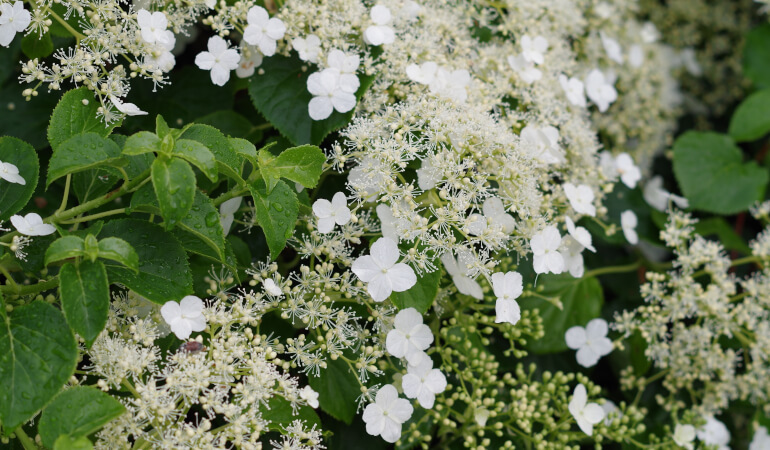
Shrubs add height and structure, and fortunately, some turn into great slug-resistant border plants.
- Box (Buxus) has tough leaves which the slimy critters dislike. Box suits shade or sun and grows slowly but steadily. All it needs is a trim once or twice a year.
- Hydrangea. Slugs may nibble young leaves, but the mature foliage tastes bitter, so most plants stay safe. They (the plants) enjoy moist soil, part shade, and a good mulch layer. They need a prune based on the type, though.
- Choisya (Mexican orange blossom) has strong citrus scent that puts slugs off. Choisya likes sun or part shade and drains well. A light prune helps shape it.
Herbs that keep slugs away
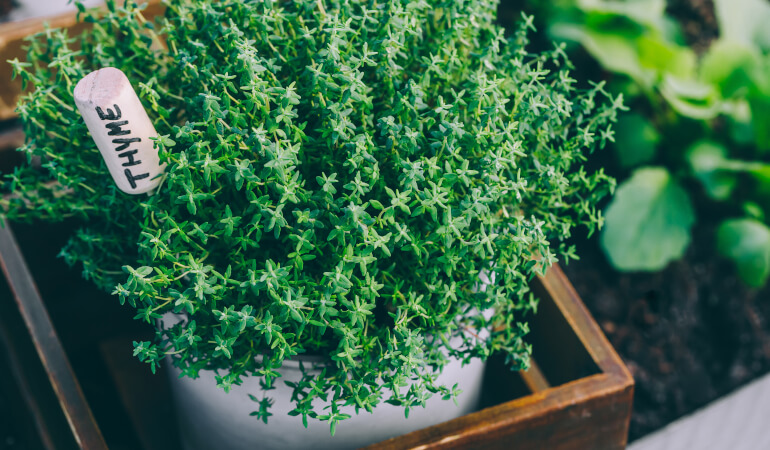
Many herbs act as natural slug shields for your beds. Let’s look at 3 examples:
- Rosemary has a sharp scent that makes slugs turn away. It needs a light trim to stop it from going woody and suits dry soil and full sun.
- Thyme has strong oils that keep slugs off. It loves sun and rocky, well-drained soil. Care is simple, too. Just cut back after flowering.
- Sage. Its uzzy, fragrant leaves act like a barrier. Sage grows well in the sun and on dry ground. Light pruning helps it stay neat.
Vegetables
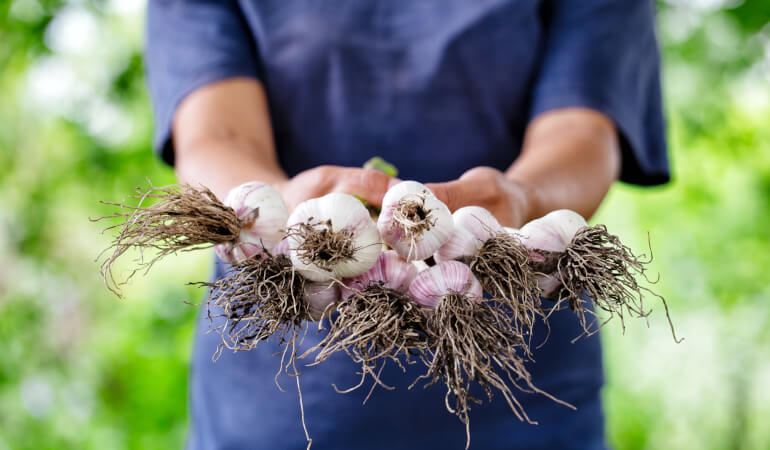
Some crops cope far better with slugs than others. These slug-resistant vegetable plants help you grow food with less loss.
- Onions. Their sharp smell and firm skins keep slugs away. They like sun and loose soil and only need weeding once in a while.
- Garlic. Strong oils in the bulbs repel both vampires and slugs. Garlic suits many UK soils and needs full sun.
- Tomatoes. The stems and leaves feel coarse, so slugs avoid them. However, they will eat young shoots, soft stems, and fruit that touches the soil, especially in damp conditions.
Ornamental grasses
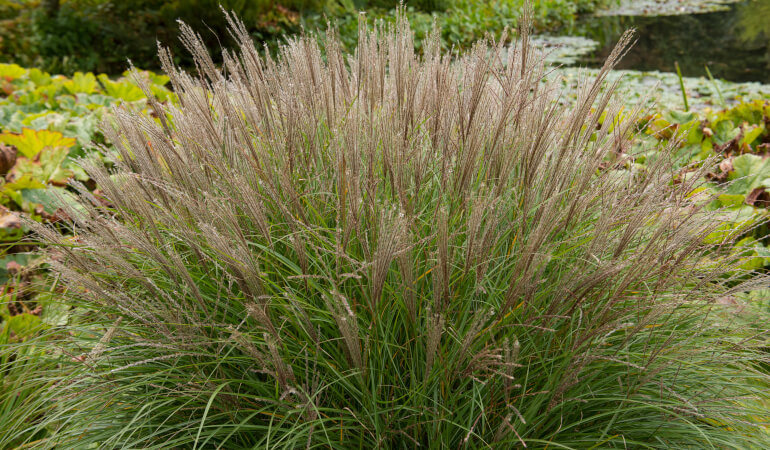
It’s nice when grasses offer shape, movement, and natural slug defence as a bonus.
- Stipa tenuissima. Its fine leaves feel dry and unappealing to slugs. It likes sun and well-drained soil.
- Carex has tough blades that stop slugs from feeding. Carex suits sun or shade and damp ground. It needs a trim in early spring.
- Miscanthus. Its tall, firm stems keep slugs at bay. It needs sun and space to grow tall. A cut-down in late winter works well.
Which plants to avoid because they attract slugs?
You already know what plants are slug-proof, and now you will learn which are not.
- Hostas. Juicy, tender leaves attract slugs fast. They often grow in shady spots, which slugs love, so they disappear quickly.
- Lettuce has soft, moist leaves that draw slugs straight in. Young heads vanish in no time if you leave them unprotected.
- Ferns (especially Ostrich fern). Delicate fronds feel easy to munch. Slugs also love the damp, shady areas where ferns often grow.
- Strawberries are a sweet, juicy fruit that attracts slugs and a load of other pests. Even young shoots get nibbled before berries form.
- Begonias. Their soft, fleshy leaves make them irresistible. Moist borders suit both begonias and slugs perfectly.
- Cabbage and other brassicas. Their tender leaves with plenty of moisture turn these into a slug magnet. Slugs can destroy young plants very quickly.
Want to add more plants to your garden? We can make it happen.
Enter your postcode to view our rates and availability in your area.
For questions about the services we offer visit our main site
Takeaways
- Slugs always attack soft, moist plants first.
- In the UK, mild, damp nights after rain are always followed by a resurgence of slugs.
- Slug-resistant plants repel slugs with tough textures, strong scents, or bitter compounds.
- Not only do you have plenty of slug-resistant choices, but most of these plants need simple care.