UK summers have a habit of catching us off guard. One week it’s drizzling and grey skies, the next you’re watching your garden bake in temperatures that feel more like southern Spain. Watering plants in a heatwave isn’t just about turning on a hosepipe and hoping for the best — it takes a bit of know-how to get it right. Do it wrong and you could end up losing plants you’ve spent years nurturing.
The tricky thing is that not every garden behaves the same way. A south-facing terrace in a city centre is a very different environment from a shaded border in a rural cottage garden. Understanding your own space makes a real difference. Get the basics right, and most plants will come through in much better shape than you’d expect.
TL;DR – Tipls for Watering Plants in the UK Heatwave
- Water plants early in the morning to minimise evaporation and give roots time to absorb moisture before the heat peaks.
- Mulching around plants helps lock moisture into the soil and reduces how often you need to water.
- Wilting, leaf scorch, and crispy edges are early signs of heat stress — act quickly when you spot them.
- Container plants dry out much faster than garden beds and may need watering twice a day in extreme heat.
- Shade cloths can protect vulnerable plants during the hottest part of the day.
- Overwatering is a real risk during heatwaves — always check the soil before reaching for the watering can.
Table of Contents
How Do You Water Plants During a Heatwave?
Water deeply and infrequently, aiming for the root zone rather than the surface. Apply water slowly so it soaks in rather than running off. Combine this with mulching to retain moisture, and adjust your frequency based on plant type, soil, and container size. This approach keeps roots hydrated without encouraging shallow root growth or fungal problems.
The single biggest mistake people make is watering little and often. It feels helpful, but it actually trains roots to stay near the surface where it’s hot and dry. Deep watering — soaking the soil thoroughly so moisture reaches 15–20cm down — encourages roots to go deeper where the soil stays cooler and holds moisture longer.
If your soil has dried out so much that water just sits on top, try applying it in shorter bursts. Water for a minute, wait, water again. This gives the surface time to soften and allows water to penetrate rather than pool.
Mulching is one of the most effective things you can do. A 5–7cm layer of bark chippings, garden compost, or straw laid around the base of plants works like an insulating blanket. It slows evaporation dramatically, keeps the soil cooler, and reduces how often you need to water. It also suppresses weeds, which compete with your plants for whatever moisture is there.
What Are the Best Times and Methods to Water Plants in a Heatwave?
Early morning — between 6am and 9am — is by far the best time to water during a heatwave. Temperatures are lower, so less water is lost to evaporation. Plants can absorb moisture before the heat of the day kicks in. Evening watering is a second option, but it can encourage slugs and fungal disease if foliage stays wet overnight.
Morning watering genuinely makes a big difference. You can use significantly less water and still get better results than watering at midday. It’s one of those rare gardening habits where doing the right thing actually saves you effort rather than adding to it.
When it comes to how you deliver the water, your method matters more than most people think. Here are the most efficient options:
- Drip irrigation — delivers water slowly and directly to the root zone, reducing waste and keeping foliage dry
- Seep hose (soaker hose) — laid along the base of plants, it releases water gradually into the soil with minimal evaporation
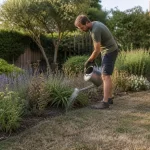
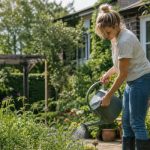
- Watering can with a rose head — gives you control over exactly where water goes, ideal for pots and raised beds
- Buried bottle irrigation — a plastic bottle with small holes in the cap buried neck-down next to roots releases water slowly and directly underground
- Gravity-fed tank system — a water butt elevated slightly above ground level can feed a drip system without any electricity or mains pressure
Overhead sprinklers are the least efficient option during a heatwave. A lot of water evaporates before it even reaches the soil, and they can scorch leaves if used during warmer parts of the day. Save sprinklers for lawns and use targeted methods for everything else.
Recognising and Preventing Heat Stress in Plants
Heat stress can creep up on plants before you notice it. By the time something looks really bad, it’s often been struggling for a day or two already. Knowing what to look for early means you can step in before any lasting damage is done.
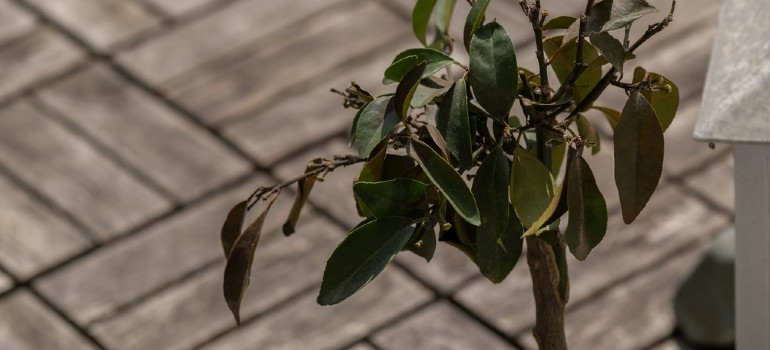
The most common signs include wilting in the middle of the day even when the soil is moist, leaf edges turning brown and crispy, leaves curling inward to reduce their exposed surface area, flowers dropping prematurely, and yellowing on younger growth.
It’s worth knowing that some midday wilting is completely normal. Plants often droop slightly during the hottest hours as a way of protecting themselves, then perk back up in the evening. If a plant is still wilted after sunset, that’s when you should be concerned.
Prevention is always easier than recovery. Shade cloths are genuinely useful for tender plants and vegetables during a prolonged heatwave. Even a piece of old net curtain rigged over a raised bed can cut the temperature significantly. It doesn’t look glamorous, but it works.
Strategic planting matters too. Placing heat-sensitive plants where they get afternoon shade — behind a fence, under a tree, or on a north-facing slope — reduces their stress considerably. If you’re planning new planting, think about where the sun hits hardest between midday and 4pm and keep vulnerable plants well away from those spots.
Some plants are naturally better equipped to handle dry, hot conditions. These are worth incorporating into any UK garden that’s likely to face more frequent heatwaves in the years ahead:
- Lavender — thrives in heat and poor soil, needs very little water once established
- Sedum (Stonecrop) — stores water in its fleshy leaves, ideal for dry sunny borders
- Verbena bonariensis — tall, airy, and surprisingly drought-tolerant once its roots are established
- Echinacea (Coneflower) — deep-rooted and drought-resistant, flowers beautifully through summer
- Achillea (Yarrow) — handles heat and dry spells well, low maintenance and excellent for pollinators
- Eryngium (Sea Holly) — architectural, drought-hardy, and perfectly at home in a hot border
Common Mistakes When Watering Plants During a Heatwave
People often water more during a heatwave without thinking about how they’re watering. It’s understandable — your plants look sad and your instinct is to help. But some very common habits actually make things worse, not better. Here’s what to avoid:
- Watering little and often — frequent shallow splashes train roots to stay near the surface. Deep, thorough watering is far more effective
- Watering at midday — the soil dries out almost instantly and you lose most of what you apply before it reaches the roots
- Watering the leaves instead of the soil — wet foliage in heat can scorch and encourages fungal problems
- Not checking the soil first — push a finger 5cm down before you water. If it still feels damp, hold off
- Forgetting container plants — they dry out dramatically faster than garden beds and need checking every single day
- Applying mulch to dry soil — mulch is much more effective laid onto moist soil, so do it before a heatwave if you can
- Watering wilted plants with cold water in full sun — move them to shade first if possible, then water gradually
Overwatering is genuinely more common than people expect. Waterlogged soil pushes oxygen out of the root zone, and roots can rot just as badly in soggy conditions as they suffer in drought. If you’ve watered deeply and the soil still feels damp a day later, hold off. Trust the soil, not the calendar.
Tailoring Watering Schedules for Different Plant Types
One watering schedule doesn’t fit every plant. What works for a mature rose bush is very different from what a window box of petunias needs. Getting this right is one of the most practical things you can do during a heatwave.
Container Plants
Pots are the most demanding watering job during a heatwave, full stop. They have a limited volume of soil, no access to deeper ground moisture, and depending on the material, they can heat up significantly. Terracotta pots are breathable but dry out faster. Dark plastic containers absorb heat and can cook roots if left in direct sun.
During a genuine heatwave, most container plants will need watering at least once a day, often twice. Water thoroughly until it drains freely from the bottom — this tells you the whole root ball is wet, not just the top layer. In very hot weather, you can stand pots in a shallow tray of water for an hour in the morning, letting them absorb moisture from below. Remove the tray afterwards so they don’t sit in standing water long-term.
Small pots dry out faster than large ones. If you have tiny pots on a sunny terrace, consider moving them somewhere shadier for the duration of the heatwave, or grouping them together so they shade each other slightly.
Garden Beds
Established plants in garden beds are generally more resilient than container plants because their roots reach deeper into the soil where moisture is more stable. That said, they still need attention during prolonged heat.
Newly planted shrubs, perennials, and trees — anything planted within the last year or two — are much more vulnerable than established plants. Their root systems haven’t spread far enough to find moisture on their own. These need priority attention during a heatwave.
Vegetables are another high-demand group. Tomatoes, courgettes, beans, and leafy crops all need consistent moisture, and any dry spell during fruiting or flowering can cause blossom drop, split fruit, or bitter flavour. Aim to water vegetable beds deeply every one to two days, and mulch heavily to stretch that out as far as possible.
Lawns, on the other hand, are surprisingly tough. They go brown in drought but almost always recover when rain returns. It’s generally not worth using significant water on grass during a heatwave — prioritise your borders and containers instead.
Here’s a quick reference to help you prioritise your watering:
| Plant Type | Watering Frequency | Key Tip |
|---|---|---|
| Container plants | Once or twice daily | Check daily; water until it drains freely from the bottom |
| Newly planted shrubs | Every 1–2 days | Deep water each time; mulch heavily |
| Vegetable beds | Every 1–2 days | Consistent moisture prevents blossom drop and split fruit |
| Established shrubs | Every 3–4 days | Deep water each session rather than little and often |
| Drought-tolerant plants | Weekly or less | Avoid overwatering; they prefer drier conditions |
| Lawns | Not recommended | They recover naturally once rain returns |
Keep your garden thriving all summer long
Enter your postcode to view our rates and availability in your area.
For questions about the services we offer visit our main site
Conclusion
Watering plants in a heatwave isn’t complicated, but it does require a bit of thought. Water deeply, water early, mulch well, and pay close attention to containers and anything planted in the last year or two. Know your garden’s hot spots, watch for early signs of stress, and resist the urge to panic-water everything in sight.
The good news is that once you’ve got these habits in place, they genuinely work. Plants are more resilient than they sometimes seem — and with the right care, most of them will come through a hot spell in good shape. A little attention during the worst of the heat makes all the difference. If you’d rather leave it to the experts, professional garden maintenance is always an option.