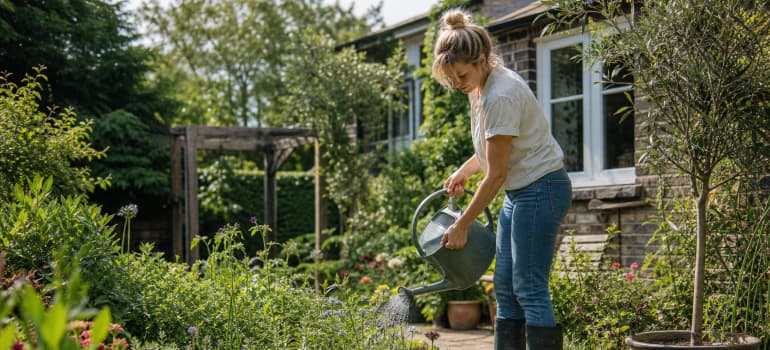
Summer is a beautiful season in the garden, but it’s also one of the most demanding. The heat ramps up, the soil dries out faster than you’d expect, and plants that looked perfectly happy in May can start to struggle by July. If you’ve ever watched a promising garden wilt in a heatwave, you’ll know the feeling. The good news is that with a few smart adjustments, your garden can genuinely thrive through the warmest months.
These gardening tips for summer go beyond the usual “water more, weed often” advice. We’re talking about techniques that actually make a difference, from how and when you water to which plants will reward you most for the effort you put in. Whether you’re a seasoned grower or still finding your feet, there’s something here to help your garden look its best all season long.
TL;DR
- Regular, deep watering encourages stronger root systems and is far more effective than light daily sprinkles.
- Drought-resistant plants like lavender and ornamental grasses are your best allies in a hot summer.
- Mulching with organic material keeps soil moist, cool, and fertile throughout summer.
- Deadheading spent blooms on roses and geraniums keeps flowers coming for longer.
- Horticultural fleece can protect plants from intense sun, not just frost.
- Mow your lawn higher in summer to shade the roots and reduce drought stress.
- Good plant choices like sunflowers, cosmos, and begonias bring colour without demanding constant attention.
Table of Contents
Essential Summer Gardening Tips
The single biggest mistake summer gardeners make is carrying on as normal. What works in spring — cooler temperatures, gentler sun, regular rainfall — just doesn’t cut it once June arrives. The soil dries out faster, plants lose moisture through their leaves more quickly, and the wrong choices early in the season can set you back for months.
Adapting your approach is what separates a garden that survives summer from one that genuinely flourishes. There are four areas worth getting right from the start.
- Watering technique — Deep, infrequent watering is far better than a light daily sprinkle. Water at the base of plants, ideally in the morning, so moisture reaches the roots before the heat of the day drives it away. Shallow watering only encourages roots to stay near the surface, where they’ll dry out fast.
- Selecting heat-tolerant plants — Some plants are simply better built for summer. Lavender, ornamental grasses, sedum, and echinacea all cope well with heat and dry spells. Choosing plants suited to the conditions you actually have means less intervention from you and more natural resilience in the bed.
- Mulching for moisture retention — A layer of organic mulch spread around the base of plants does several useful things at once. Bark chippings, compost, or well-rotted manure all work well. Mulch slows moisture loss from the soil, suppresses weeds that would otherwise compete for water, and gradually improves soil structure as it breaks down.
- Soil preparation — Summer isn’t the ideal time to overhaul your soil, but you can still help it. Working compost around existing plants improves water retention in sandy soils. For clay-heavy ground, keep foot traffic to a minimum to avoid compaction, which worsens drainage and stresses roots further.
Getting these four things right doesn’t take enormous effort. But it does require a slight shift in how you think about the garden during summer — more responsive, less routine.
How Do You Care for Plants in the Summer Heat?
Caring for plants in summer heat means focusing on two things: keeping them hydrated and keeping them productive. Deadhead regularly, water deeply at the roots rather than the leaves, and do any pruning in the cooler parts of the day. These habits, done consistently, make a noticeable difference to how plants perform through the hottest weeks.
Let’s break that down into practical actions you can actually build into your routine.
Deadheading is one of those jobs that’s easy to overlook but genuinely worth doing. When flowering plants like roses and geraniums are allowed to set seed, they start directing all their energy into that process rather than producing new blooms. It makes sense from the plant’s point of view. But if you want colour through August, you need to step in. Snip off spent flowers just above a healthy leaf or bud, and the plant gets the message to try again. It takes ten minutes a week, and the difference is remarkable.
- Deadhead roses, geraniums, and dahlias every week to keep flowers coming
- Water at soil level, not over the foliage, to reduce fungal disease risk
- Water in the early morning before temperatures rise
- Summer prune overgrown shrubs to improve air circulation through the canopy
- Check container plants daily, as pots dry out far faster than open ground
- Move potted plants that are struggling in direct afternoon sun to a shadier spot
Summer pruning is a topic that trips people up because most gardeners associate pruning with autumn or early spring. But some light pruning in summer is genuinely beneficial. For shrubs that have put on a lot of fast, leafy growth, trimming back that excess improves airflow through the centre of the plant. Better airflow means less moisture sitting on leaves overnight, which directly reduces the risk of mildew and fungal problems — both of which thrive in humid summer conditions.
One thing worth saying honestly: if your garden is quite large, keeping up with deadheading and watering in a hot spell can feel relentless. It’s a lot to stay on top of. A professional garden maintenance service takes care of the regular upkeep so your plants get consistent attention throughout the season, even when life gets busy.
How Do You Look After a Lawn in Summer?
Lawns take a lot of punishment in summer. Foot traffic, scorching sun, and dry spells all conspire to turn a healthy green lawn into something resembling a wheat field. The good news is that grass is tougher than it looks, and a few adjustments to your routine can keep it in decent shape even through a hot, dry stretch.
- Mow higher than you think you should. It’s tempting to cut grass short in summer so you don’t have to mow as often. Resist the urge. Taller grass shades the soil and roots underneath, which reduces moisture loss and keeps the ground cooler. A cutting height of around 4cm is a good target for summer. Go shorter than that and you’re inviting drought stress and bare patches.
- Water early in the morning. If your lawn genuinely needs watering — and many UK lawns can manage without during a typical summer — early morning is the time to do it. The water soaks in before the heat peaks rather than evaporating before it reaches the roots. Evening watering can work too, but it leaves moisture on the surface overnight, which can encourage disease.
- Apply a natural feed in early summer. A balanced, slow-release feed applied in June gives grass the nutrients it needs to stay resilient through the hotter weeks. Avoid heavy feeding during a drought though. Feeding dry, stressed grass can actually make things worse by drawing more moisture from roots that are already struggling.
- Inspect regularly for pest activity. Leatherjackets (crane fly larvae) and chafer grubs both cause damage by munching through grass roots, and the signs often become visible in summer. Look out for soft, spongy patches or yellowing areas that lift away from the soil easily. Spotting them early gives you more options for dealing with them.
- Let brown grass rest. If your lawn goes brown in a dry spell, it hasn’t necessarily died. It’s dormant, which is grass being sensible about water conservation. Most lawns recover well once rain returns. Scarifying, aerating, or trying to force growth during a drought will only make things harder for it.
What Plants Are Best for a Summer Garden?
The plants that make a summer garden genuinely beautiful are the ones that don’t need constant coaxing to get through the heat. Choose plants that are naturally suited to warm, sunny conditions and your garden almost looks after itself — at least compared to wrestling with something that’s fundamentally unhappy in summer.
Here are some of the most rewarding options, with a note on what makes each one worth growing.
- Sunflowers — Ridiculously easy and incredibly cheerful. Plant them in a sunny spot, water them in well, and they’ll essentially get on with it. They grow fast, the birds love the seeds in autumn, and they add genuine drama to any garden. Grow from seed directly in the ground from May onwards.
- Begonias — A reliable choice for shadier spots or containers. They handle heat reasonably well as long as they’re not sitting in waterlogged compost. Tuberous begonias offer rich, lush colour through the whole summer season with relatively little fuss. Deadhead them to keep the display going.
- Cosmos — One of the best plants you can grow for pollinators. The feathery foliage is pretty on its own, and the flowers come in pinks, whites, and crimsons that look effortlessly elegant. They’re drought-tolerant once established and flower right through to the first frosts. Start them off inside in April or direct sow from May.
- Lavender — Practically built for a British summer. It loves heat, tolerates dry conditions better than almost anything else, smells wonderful, and the bees absolutely adore it. Very little watering needed once established. Trim it lightly after flowering to keep the shape tidy.
- Echinacea (coneflower) — A perennial that earns its place year after year. The daisy-like flowers in pink, orange, and white tones are striking in late summer, and the seed heads left standing into autumn feed goldfinches. It copes well in poorer soils and doesn’t need much water once established.
- Ornamental grasses — Often underestimated but hugely effective in a summer border. Varieties like Stipa tenuissima or Pennisetum add movement and texture, catch the light beautifully, and are genuinely drought-tolerant. They also look good long after other plants have finished flowering.
A quick note on containers: if you’re growing summer plants in pots, be honest about how much time you have for watering. Containers dry out fast in summer, sometimes needing water twice a day in a heatwave. Choose your varieties accordingly and consider adding water-retaining granules to the compost when you pot things up.
Keep your summer garden thriving with expert help
Enter your postcode to view our rates and availability in your area.
For questions about the services we offer visit our main site
Conclusion
Summer gardening does take more attention than spring or autumn — there’s no getting around that. But it’s also the most rewarding season, when the garden is at its fullest and most alive. The key is working with the conditions rather than against them: watering smarter, choosing plants that suit the heat, and staying on top of the small jobs before they become bigger problems.
With the right summer gardening tips in place, your outdoor space can handle whatever the season throws at it. A bit of planning, a consistent routine, and a willingness to adapt when conditions change — that’s genuinely all it takes.